DONT GO DARK How to Survive: Stay in the Light
Practical light discipline, chase management, and recovery habits for every YO Productions stage.
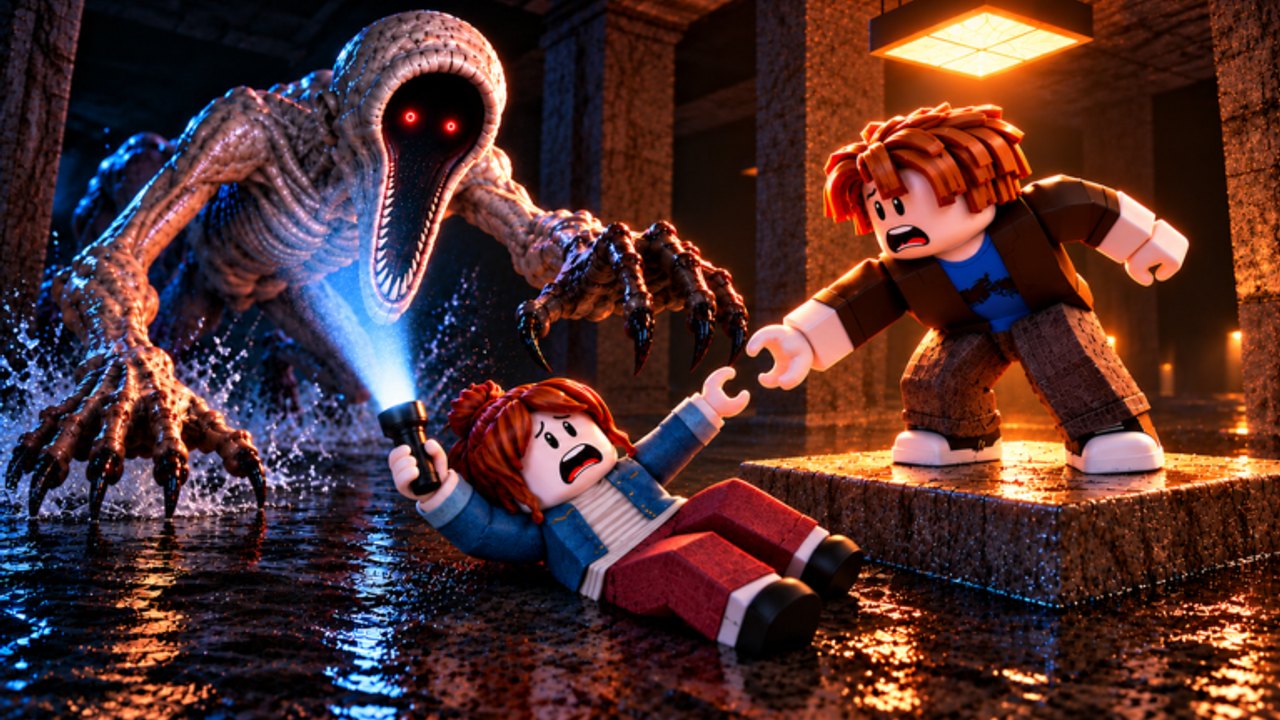
Survival in DONT GO DARK is not a hidden stat build—it is a movement philosophy. YO Productions designed a Roblox runner where illuminated space is law and darkness is contested territory. Players comparing it to Don’t Splash-style light/dark tension are not wrong: the second you treat unlit shortcuts as free real estate, the hunt begins.
This guide assumes you finished Getting Started and can clear Line Zero without random sprint deaths. We will deepen the habits that carry through Tidewater Aquarium, Substation K, The Freezer, The Collapsing Depot, and The Swamp.
The survival contract
STAY IN THE LIGHT. IT HUNTS THE DARK. Translate that into three operating rules:
- Light is a checkpoint — arrive, stabilize camera, then plan the next hop.
- Dark is a tax — every unlit step should buy a clear reward (shortcut, revive path, teammate save).
- Panic is a resource — spend it on one committed dash, not five half-turns.
Break rule 1 often and you will swear the game is “cheap.” Honor it and scares become readable pressure.
Light chaining 101
Spot → plant → leave
- Spot the next pad or lamp before you leave the current one.
- Plant your avatar fully inside the lit volume; clipping the edge still counts as greedy.
- Leave only when the path is either continuously lit or a timed dark gap you already measured.
Chain length vs server noise
In 10-player publics (common when CCU spikes past a thousand), chains break because someone else occupies the “obvious” pad. Practice alternate pads early on Line Zero so Tidewater Aquarium crowds do not soft-lock your route.
When the chain fails
If you lose the next light visually:
- Stop on the last safe light.
- Sweep camera slowly—do not spin.
- Listen for hunter tells before you commit.
- If nothing resolves, retreat to a previous room rather than invent a hero path.
Map-specific notes live in Levels Walkthrough.
Reading the hunt
You survive more chases with ears than with ESP cheats (never use those—see Scripts Hub). Typical tells across horror runners of this style:
- Audio intensity rising as you linger in gray zones
- Player silhouettes bunching toward the only lit alcove
- Your own footsteps getting reckless—speed without a target pad
When the hunt commits, pick one destination light and commit. Half-decisions in The Freezer corridors are how wipes cascade.
Panic dash protocol
Sometimes darkness is mandatory—moving platforms, collapsing sections (hello, The Collapsing Depot), or a teammate downed beyond a black gap. Use this protocol:
- Pre-aim the landing light.
- Sprint in a straight line; avoid mid-air camera selfies.
- On landing, stop for a beat even if adrenaline says go.
- Call “safe” in squad chat so others do not daisy-chain into your mistake (Players Hub).
If the dash fails, accept the death and review—do not immediately rage-queue a harder tier from the Tier List Hub.
Solo vs squad survival differences
Solo
- Full control of pad timing
- No bait from reckless friends
- Higher personal responsibility for audio
Squad
- Designate a light caller
- Stagger crossings so one mistake does not cone the whole stack
- Revive or regroup plans beat cinematic group wipes
Either mode still obeys the same light contract. Codes and cosmetics will not save you—Codes Hub is empty anyway as of November 2026.
Device and settings that keep you alive
Survival is partly ergonomics:
- Stable FPS > max shadows; hitching during a Depot collapse is a death sentence.
- Brightness high enough to separate pad edges from void.
- Comfortable FOV from Controls so tunnels do not fisheye into nausea.
- Mobile players: landscape + clean thumb reach; do not open Shop mid-chase.
Recovery after a scare death
- Name the cause in five words (“cut corner past lamp”).
- Replay the same segment once with patient chaining.
- Only then advance to the next named level.
- Check Latest Patch Notes if a familiar pad suddenly feels retimed.
Anti-patterns that feed the dark
- Memorizing only one route, then collapsing when a public lobby blocks it
- Taunting the hunter on purpose for clips
- Following a flyer or speed hacker “just to learn the path”
- Ignoring The Swamp’s longer dark beats because Line Zero felt easy
- Skipping Getting Started fundamentals and jumping into ranked-feeling pubs
Drill menu (15 minutes)
- 5 min: Line Zero pad stops only—no diagonal dark cuts.
- 5 min: Tidewater Aquarium sightline reads without sprint holding 100%.
- 5 min: Intentional panic dash into a known lit room on Substation K, then full stop.
Tick the same items on the Tools Hub checklist before serious attempts at The Freezer or The Swamp.
Related pages
- Levels Walkthrough — apply these rules map by map
- Tier List Hub — which stages punish greed hardest
- Players Hub — squad calling scripts
- Guides Hub — full tutorial index
- Official Links Hub — play link and YO Productions community
Master light chaining and DONT GO DARK stops feeling random. The dark still hunts—you simply stop volunteering.
Frequently Asked Questions
Quick answers for surviving DONT GO DARK.
What is the number one survival tip?
Treat every light pad as a hard checkpoint. Spot the next light before you leave, and never diagonal-cut through darkness for slight time saves.
Should I always run at full sprint?
No. Sprint between committed lights. Full sprint with no target pad is how most chase deaths start.
Does playing with friends make survival easier?
It can, if you assign a light caller and stagger crossings. Uncoordinated squads often cause chain wipes.
Can scripts help me survive?
Injected Fullbright or ESP tools risk bans and remove the intended tension. Use headphones, route memory, and fair settings instead.
Which level is hardest to survive for beginners?
Many new players struggle once they reach The Freezer, The Collapsing Depot, or The Swamp—see the Tier List Hub for community-style rankings.